Milestone Hainan Tehnolgoy Co.,Ltd.

WhatsApp

WhatsApp

weChat

weChat
contacts us
0%

Table of Contents

The global demand for high-quality, aesthetically pleasing mirrors is constantly increasing, driven by the expanding beauty industry and a growing emphasis on personal grooming. This demand fuels the need for specialized manufacturing facilities – makeup mirror factory operations – capable of producing diverse mirror types, from simple vanity mirrors to sophisticated, technologically advanced models with integrated lighting and magnification. The efficiency and innovation within these factories directly impact the availability and affordability of essential beauty tools worldwide.

The role of a makeup mirror factory isn't solely about production volume; it’s increasingly about adaptability. Consumers are seeking customized options – shape, size, lighting, and smart features – requiring factories to invest in flexible manufacturing processes. Furthermore, ethical considerations surrounding labor practices and environmental sustainability are pushing manufacturers to adopt responsible production methods. A successful makeup mirror factory must balance production efficiency with a commitment to these evolving standards.

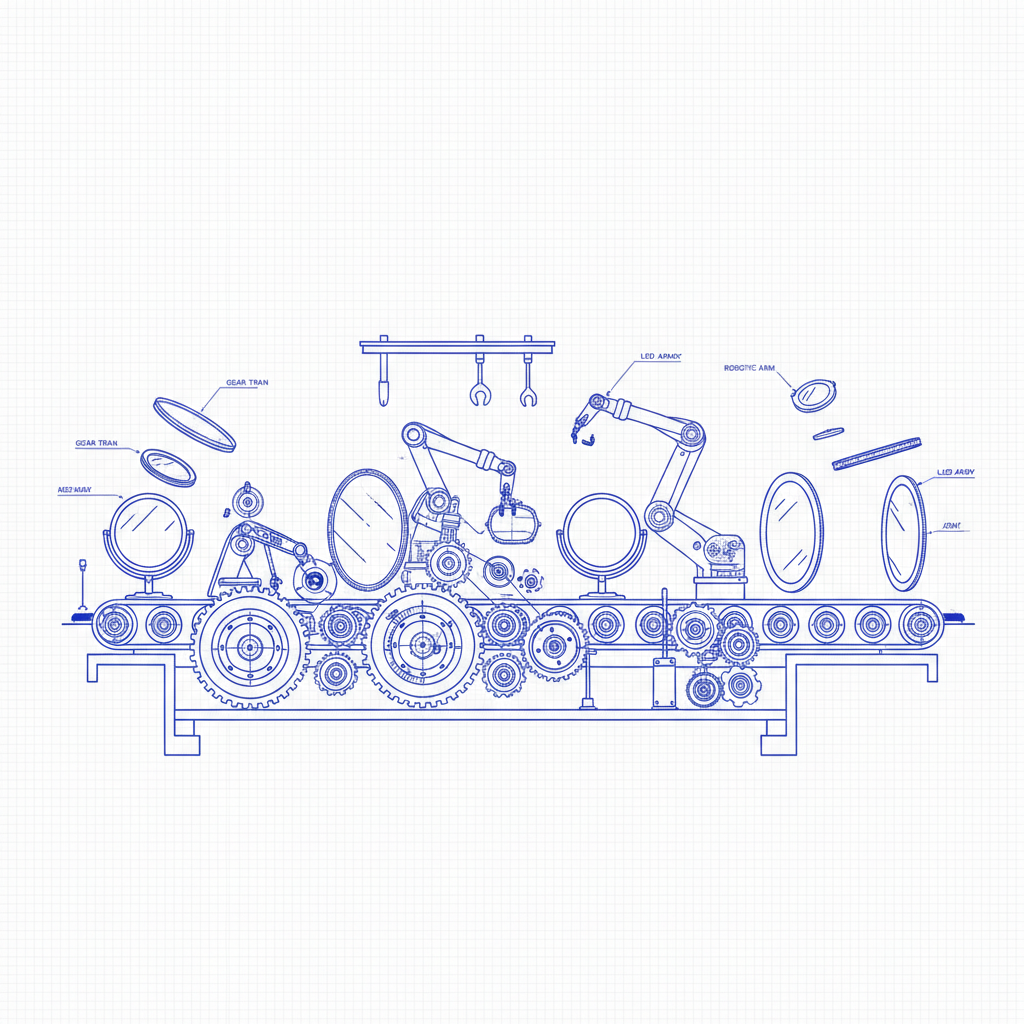
Technological advancements, such as automated assembly lines, precision cutting tools, and advanced coating techniques, are revolutionizing the makeup mirror factory landscape. These improvements enhance product quality, reduce production costs, and enable the creation of innovative mirror designs. This transformation is vital for maintaining competitiveness in a global market where consumer expectations are constantly rising.
Exploring the World of Makeup Mirror Factory Operations and Future Trends

The Importance of Makeup Mirror Factories

Exploring the World of Makeup Mirror Factory Operations and Future Trends

The modern beauty and personal care industry relies heavily on the consistent output of makeup mirror factories. These facilities are not simply assembly lines; they are integral parts of a complex supply chain, responsible for producing a product used by billions globally. The quality, affordability, and innovation stemming from these factories influence consumer experience and ultimately shape market trends.

Furthermore, the economic impact of a thriving makeup mirror factory sector extends beyond the immediate manufacturers. It supports industries involved in raw material supply, component production, logistics, packaging, and retail, creating a ripple effect of economic growth and employment opportunities.

Defining a Makeup Mirror Factory

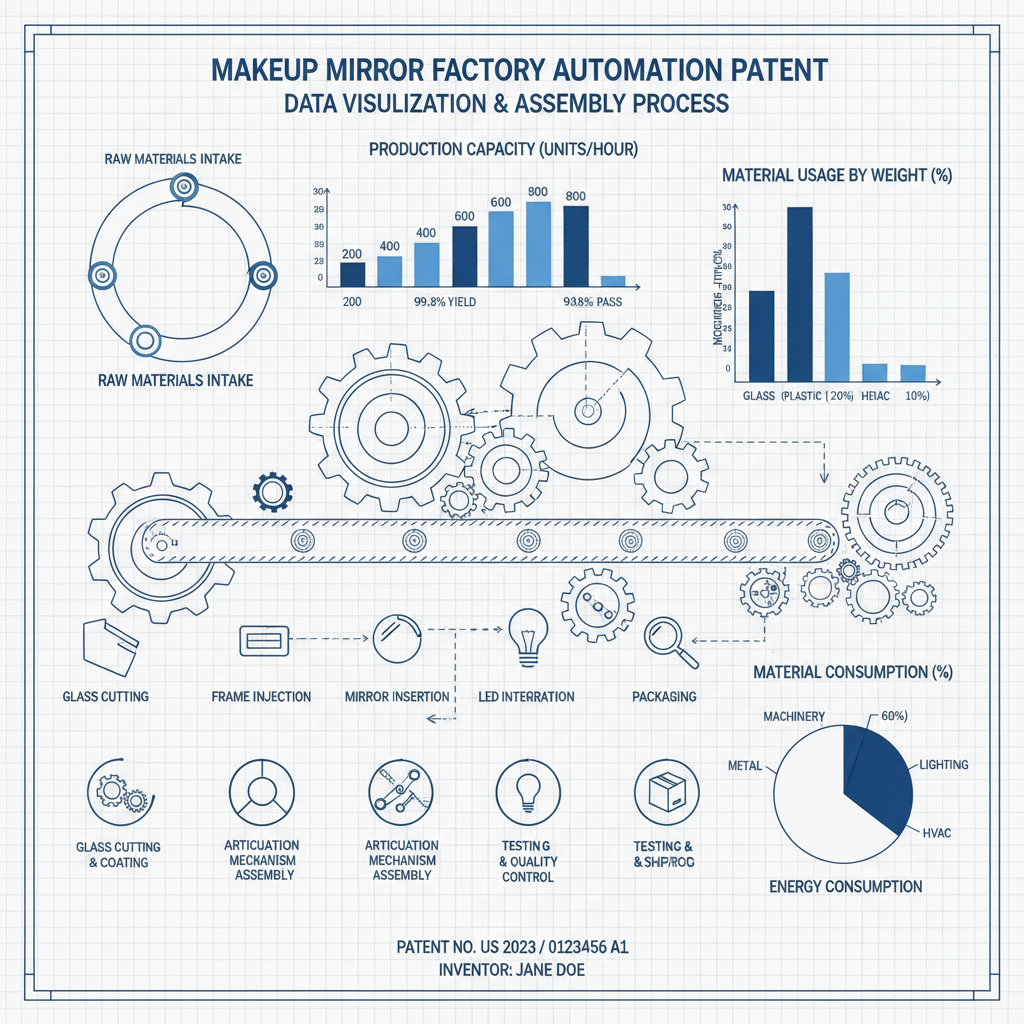
A makeup mirror factory is a manufacturing facility specifically designed for the production of mirrors intended for cosmetic application and personal grooming. These factories typically handle all stages of production, from receiving raw materials like glass and plastic, to cutting, polishing, coating, assembling, quality control, and packaging. The scale of these operations can vary significantly, ranging from small workshops producing handcrafted mirrors to large-scale industrial facilities utilizing automated processes.

The modern makeup mirror factory often specializes in certain types of mirrors – vanity mirrors, travel mirrors, magnifying mirrors, lighted mirrors, or smart mirrors. This specialization allows for greater efficiency and expertise in specific manufacturing techniques and technologies. They contribute significantly to the global beauty ecosystem.

Critically, a makeup mirror factory doesn’t just assemble parts. It embodies a commitment to quality, precision, and adherence to safety standards, ensuring products are both functional and safe for consumer use.

Core Components of Efficient Makeup Mirror Factories

Several core components contribute to the efficiency and success of a makeup mirror factory. First, high-quality raw material sourcing is crucial. The glass used must be clear, distortion-free, and durable. Second, precise cutting and polishing technologies are essential for creating smooth, flawless mirror surfaces. Investment in robotic systems can greatly improve both precision and production volume.

Third, advanced coating techniques, such as silvering and aluminum deposition, are vital for creating reflective surfaces that are both durable and resistant to corrosion. Fourth, efficient assembly lines are needed to integrate components like lights, frames, and magnification lenses. Fifth, rigorous quality control procedures must be in place to identify and reject defective products, ensuring consistently high standards. Finally, effective supply chain management streamlines the flow of materials and finished goods.

A modern makeup mirror factory isn't just about machinery; it’s about a coordinated system where each component works in harmony to deliver a superior product. This integrated approach is key to maintaining competitiveness.

Global Applications and Market Reach

The products of a makeup mirror factory have widespread applications and reach a diverse global market. A significant portion of output serves the consumer market, supplying retail stores, online marketplaces, and beauty salons with mirrors for everyday use. This includes everything from compact travel mirrors to large, illuminated vanity mirrors.

Beyond consumer applications, specialized mirrors manufactured in these factories are utilized in professional settings. Makeup artists, dermatologists, and cosmetic surgeons rely on high-quality, precisely calibrated mirrors for their work. The demand for these specialized mirrors drives innovation in magnification, lighting, and image clarity.

Geographically, key markets for makeup mirror factory products include North America, Europe, Asia-Pacific, and Latin America. China, in particular, is a major manufacturing hub and a significant consumer market, driving global production trends.

Production Efficiency Comparison by Makeup Mirror Factory Method


Advantages and Long-Term Value Proposition

Investing in products sourced from a reputable makeup mirror factory offers several tangible advantages. Cost-effectiveness is a primary benefit, as large-scale manufacturing reduces per-unit production costs. Furthermore, factories that prioritize quality control ensure durable, long-lasting products, minimizing the need for frequent replacements.

Beyond cost savings, a well-managed makeup mirror factory demonstrates a commitment to sustainability. Responsible sourcing of materials, energy-efficient production processes, and waste reduction initiatives contribute to a lower environmental footprint. This resonates with increasingly eco-conscious consumers.

Future Trends in Makeup Mirror Manufacturing

The future of makeup mirror factory operations is likely to be shaped by several key trends. Smart mirror technology, incorporating features like facial recognition, virtual try-on, and personalized lighting, is rapidly gaining traction. This requires factories to integrate software development and data analytics capabilities into their processes.

Another trend is the increasing demand for sustainable materials and eco-friendly manufacturing practices. Factories are exploring the use of recycled glass, biodegradable plastics, and energy-efficient technologies to minimize their environmental impact.

Challenges and Innovative Solutions

Makeup mirror factory operations face several challenges, including fluctuating raw material prices, increasing labor costs, and evolving consumer demands. Maintaining consistent product quality while adapting to these changes requires continuous innovation.

One solution is to invest in automation technologies, such as robotic assembly lines and automated quality control systems. This reduces reliance on manual labor and improves efficiency. Another strategy is to diversify sourcing channels to mitigate the risk of supply chain disruptions.

Furthermore, adopting lean manufacturing principles and implementing data-driven decision-making can help factories optimize their processes, reduce waste, and improve overall performance.

Summary of Key Challenges and Solutions in Makeup Mirror Factory Operations

Challenge Impact on Production Proposed Solution Implementation Cost (1-10)
Raw Material Price Volatility Increased Production Costs Diversify Sourcing & Long-Term Contracts 6
Labor Shortages Reduced Production Capacity Automation & Skill Development 8
Demand for Customization Increased Complexity & Lead Times Flexible Manufacturing Systems 7
Quality Control Issues Increased Rework & Scrap Automated Inspection Systems 9
Sustainability Concerns Negative Brand Perception Eco-Friendly Materials & Processes 5
Supply Chain Disruptions Production Delays Strategic Inventory & Regional Sourcing 6

FAQS

What is the typical lead time for bulk orders from a makeup mirror factory?

Lead times for bulk orders from a makeup mirror factory vary depending on order volume, complexity, and current production capacity. Typically, standard orders can be fulfilled within 4-6 weeks, while customized orders with unique specifications may require 8-12 weeks. Accurate lead time estimates are provided during the quotation process, factoring in material availability and production scheduling. It is best to discuss timelines with the factory directly when placing an order to ensure realistic expectations.

What quality control measures are employed by reputable makeup mirror factories?

Reputable makeup mirror factories implement stringent quality control measures throughout the production process. This includes incoming material inspection, in-process quality checks at each stage of manufacturing, and final product testing to ensure adherence to industry standards and customer specifications. Common tests include clarity checks, magnification accuracy, lighting functionality, and durability assessments. Many factories also hold certifications like ISO 9001, demonstrating their commitment to quality management.

Can I request custom designs or specifications from a makeup mirror factory?

Yes, most makeup mirror factories offer customization options to meet specific customer requirements. This can include modifications to mirror shape, size, lighting color temperature, magnification level, and frame materials. Providing detailed technical drawings, samples, or clear specifications is crucial for ensuring accurate production of custom designs. The factory will typically provide a quote based on the complexity of the customization.

What are the typical minimum order quantities (MOQs) for a makeup mirror factory?

Minimum order quantities (MOQs) vary among makeup mirror factories, depending on factors like product type, customization level, and factory size. Standard products often have lower MOQs, ranging from 100 to 500 units. Customized designs typically require higher MOQs, often starting at 1000 units or more. Negotiating MOQs with the factory is possible, especially for long-term partnerships.

What packaging options are available from makeup mirror factories?

Makeup mirror factories offer a variety of packaging options to protect products during shipping and enhance brand presentation. Common options include individual polybags, bubble wrap, foam inserts, cardboard boxes, and customized printed packaging. The factory can typically accommodate specific packaging requests, such as including branded labels, inserts, or protective materials. Ensuring adequate packaging is essential to prevent damage during transit.

How do makeup mirror factories address sustainability and ethical production?

Increasingly, makeup mirror factories are prioritizing sustainability and ethical production practices. This includes sourcing eco-friendly materials (recycled glass, sustainable plastics), reducing energy consumption, minimizing waste, and ensuring fair labor standards. Look for factories with certifications like ISO 14001 (environmental management) or SA8000 (social accountability). Asking about their sustainability policies and labor practices is crucial when selecting a partner.

Conclusion

In conclusion, the makeup mirror factory sector plays a critical, often underestimated, role in the global beauty and personal care industry. These facilities are not merely production centers; they are hubs of innovation, driving advancements in mirror technology, manufacturing processes, and sustainable practices. Their efficiency, adaptability, and commitment to quality directly impact the availability, affordability, and overall experience of makeup mirrors for consumers worldwide.

Looking ahead, continued investment in automation, sustainable materials, and customized manufacturing solutions will be essential for makeup mirror factories to remain competitive and meet the evolving demands of the market. By prioritizing innovation and responsible production practices, these factories can ensure a bright future for the industry and contribute to a more sustainable and beautiful world. To learn more about partnering with a leading makeup mirror factory, visit our website: chnmst.com.

Kevin Rodriguez

Kevin Rodriguez

Kevin Rodriguez is a Quality Control Specialist at Milestone Hainan Technology, dedicated to maintaining the high standards of our products. With a meticulous approach, Kevin oversees the testing and inspection of all glass and mirror products before shipment, ensuring they meet stringent quality requirements. He’s a key member of our
Previous Leading makeup mirror manufacturer Driving Innovation in the Beauty Industry
Next Comprehensive Guide to Finding Top Quality Makeup Mirror Suppliers

If you are interested in our products, you can choose to leave your information here, and we will be in touch with you shortly.


phone email whatsapp top
phone
17435754592251
email
whatsapp
down