Milestone Hainan Tehnolgoy Co.,Ltd.
Honestly, this whole factory mirror business… it's been a wild ride this year. Everyone's talking about Industry 4.0, smart factories, and all that jazz. But you spend enough time walking around dusty shop floors, and you realize a lot of it is just fancy packaging for good old-fashioned problem-solving. Everyone wants everything 'connected', 'real-time', 'AI-powered'… but they forget the basics. Like, can you actually see what’s happening on the line? That’s where these things come in.
I’ve been seeing a surge in demand for mirrors specifically designed for factory environments, and it's not just about vanity. It’s about safety, quality control, and even boosting worker morale. You’d be surprised how much time is wasted because someone can’t easily see around a corner or check a weld on the underside of something. It’s… surprisingly important.
And don’t even get me started on the materials. People think it’s just glass, right? Wrong. It’s a whole world of specialized coatings, polymers, and backing materials. We’re using a lot of acrylic now – lighter, shatter-resistant, and doesn’t smell like your grandma’s perfume when you cut it, which is a bonus. The old glass ones, you’d get that chemical smell lingering for days…ugh.

Have you noticed? Everyone's scrambling to improve visibility in their plants. It's not just about preventing accidents (though that's huge). It’s about increasing efficiency. If a worker can see what’s happening without having to constantly turn around, that saves time. Time is money, right? It seems simple, but it makes a difference.
The demand is coming from all sorts of industries – automotive, aerospace, food processing, even electronics. Anywhere there’s a complex assembly line or tight spaces. And it's not just big factories either. Smaller workshops are realizing the benefits too.
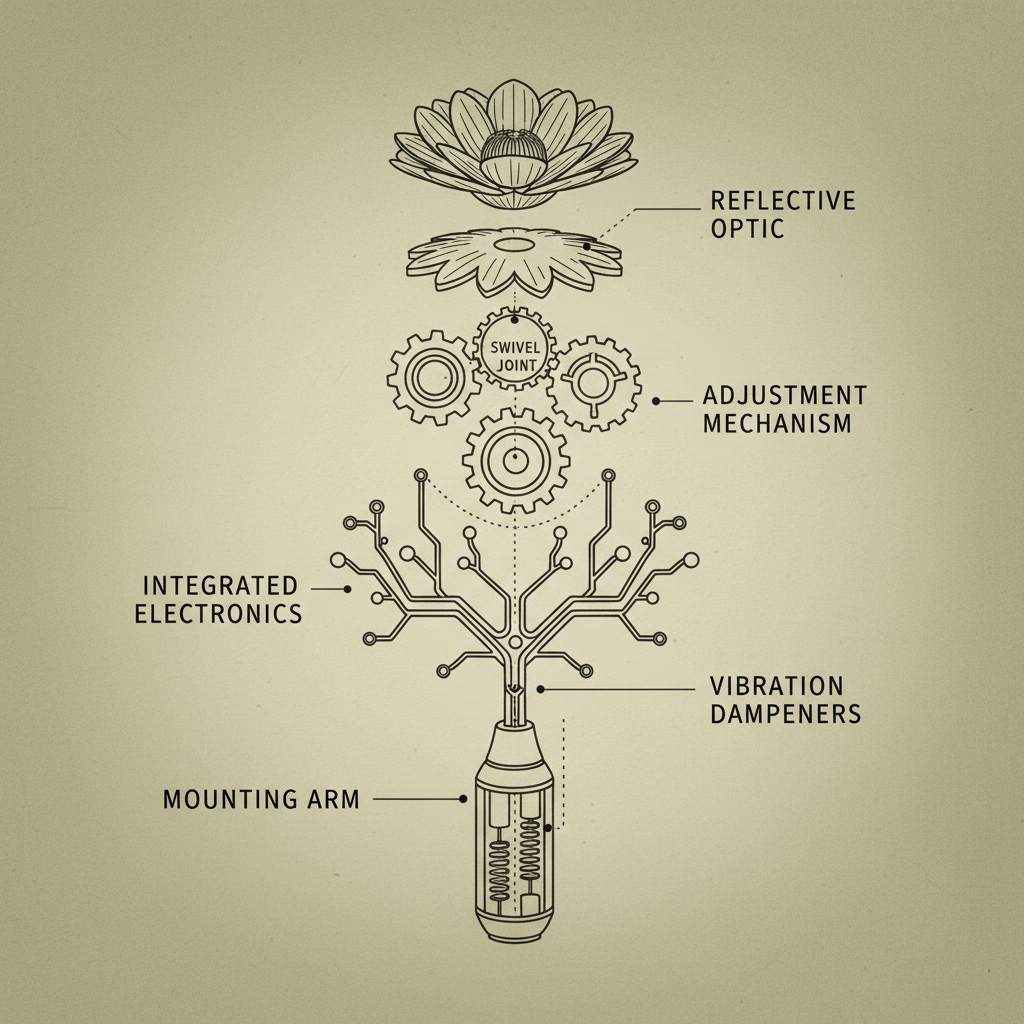
Welding environments present unique challenges. You need a mirror that can withstand intense heat, sparks, and UV radiation. Polycarbonate is generally the best choice, as it offers excellent impact resistance and heat resistance. Consider adding a UV-blocking coating to prevent degradation over time. Avoid acrylic, as it can melt or ignite under high heat. A thicker gauge polycarbonate will provide better protection and longevity. Proper mounting is key, ensuring it doesn’t vibrate loose from the welding activity.
Scratching is a common concern. Never use abrasive cleaners or scouring pads. The best approach is a mild soap and water solution applied with a soft microfiber cloth. Gently wipe the surface in a circular motion, then rinse with clean water and dry with another microfiber cloth. Avoid using paper towels, as they can contain wood fibers that can scratch the surface. For stubborn grime, a specialized plastic cleaner designed for acrylic or polycarbonate is recommended. Always test the cleaner in an inconspicuous area first.
The lifespan of an acrylic factory mirror varies greatly depending on the environment and maintenance. Without a protective coating, you might only get a few months before significant scratching occurs. With a good hard coating, you can expect 12-18 months of reliable service. Regular cleaning and avoiding harsh chemicals will extend the lifespan. Polycarbonate mirrors typically last longer, often exceeding two years, due to their superior durability. However, even polycarbonate can degrade over time with prolonged UV exposure.
Absolutely. Customization is a major part of our business. We can cut mirrors to almost any shape or size, using CNC machines for precision. We can also add mounting holes, rounded edges, or other features to meet specific requirements. We recently made a mirror shaped like a crescent moon for a lighting company – it was a bit of a challenge, but it turned out great. Just provide us with your specifications, and we’ll do our best to accommodate them. The complexity and material will affect the price, naturally.
Yes, safety is paramount. Look for mirrors that meet relevant industry standards, such as ANSI Z87.1 for impact resistance. This certification ensures the mirror has been tested to withstand certain levels of impact. Also, check for compliance with local building codes and fire safety regulations. For particularly hazardous environments, consider mirrors with shatter-resistant films or coatings. Always prioritize safety when selecting and installing factory mirrors. Ignoring this could lead to accidents and liabilities.
The anti-fog coating is a lifesaver in environments with high humidity or temperature fluctuations. Standard mirrors will quickly fog up in these conditions, rendering them useless. The anti-fog coating creates a hydrophilic surface that prevents water droplets from forming, ensuring a clear reflection. It's especially important in food processing plants, cleanrooms, and areas where temperature control is critical. The coating adds to the cost, but the improved visibility and safety are well worth it. It's a small investment that can prevent a lot of headaches.
So, where does all this leave us? These factory mirrors, they're not glamorous. They don’t get the spotlight. But they’re essential. They're about improving safety, boosting efficiency, and ultimately, helping people do their jobs better. And honestly, in a world obsessed with flashy technology, sometimes it’s the simple things that make the biggest difference.
Ultimately, whether this thing works or not, the worker will know the moment he tightens the screw. If he can see clearly, if it makes his job easier, then it’s a good mirror. If not… well, then we need to go back to the drawing board. If you’re looking to improve visibility in your factory, don’t hesitate to reach out. Visit our website: chnmst.com