Honestly, the framed mirror market has been wild lately. Everyone's chasing "smart" mirrors, touch screens, the whole shebang. It's… a lot. But you spend enough time on construction sites, and you realize folks still just want a good, solid mirror that doesn't fog up after a shower. And doesn’t look like it'll fall off the wall the second you hang something heavy nearby. I’ve seen too many of those.
You know, you’d think designing a mirror frame would be simple, right? Wrong. So many manufacturers get tripped up on the corners. If the miters aren’t perfect… it’ll show. I encountered a batch at a factory in Foshan last time that had gaps you could fit a credit card in. The quality control guy just shrugged. Said it was “acceptable.” Acceptable for who? Anyway, I think that's a massive oversight.
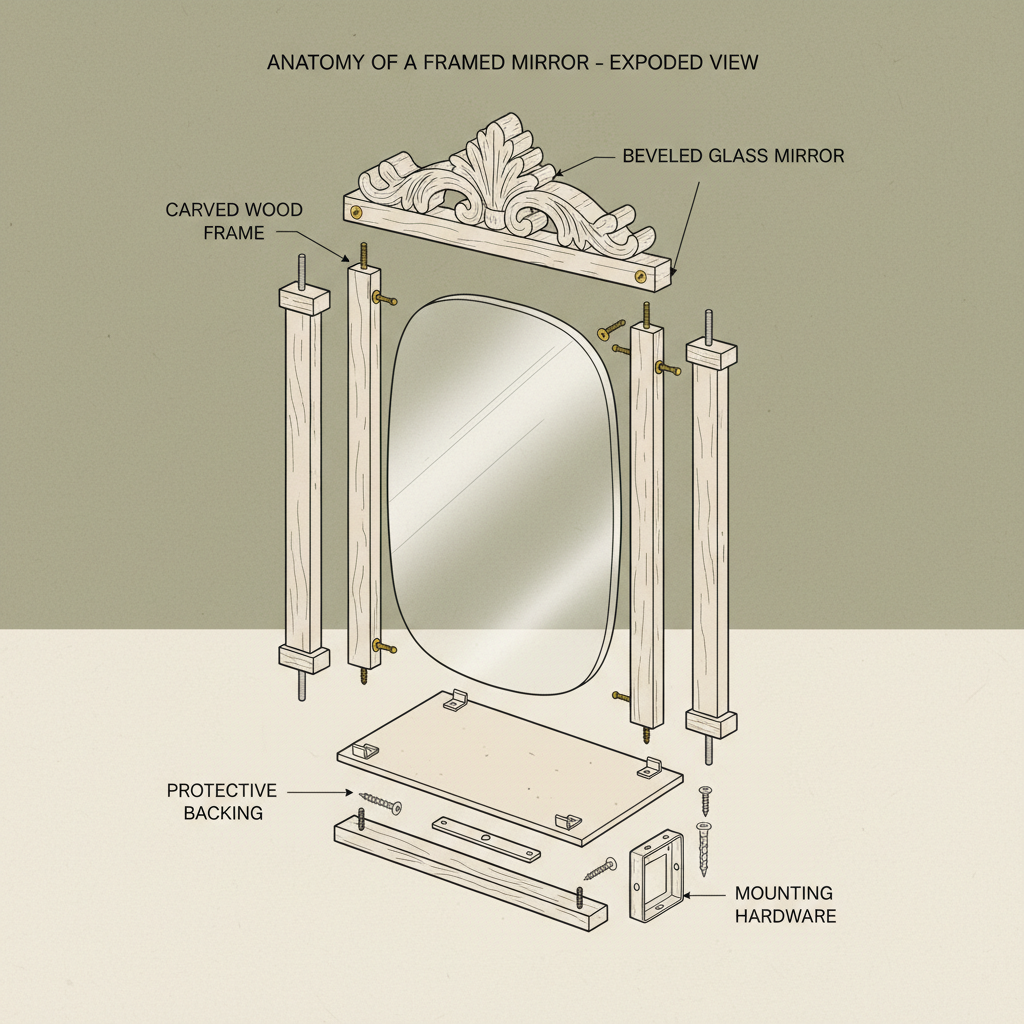
We mostly work with solid wood, mostly birch or ash. Birch smells nice, a little sweet, actually. Ash is tougher, takes a beating better. Lately, though, everyone’s pushing MDF – cheaper, obviously. But it just doesn't feel right, you know? It's always dusty, and if it gets wet… forget about it. And don't even get me started on the veneer quality. It's like they're using sandpaper for finish coats sometimes.
Industry Trends & Design Pitfalls
Like I said, smart mirrors are everywhere. But have you noticed how many are… fragile? They look good in the showroom, but put them in a bathroom with a family, and they’re toast in six months. Seriously. It's all about the electronics, not the mirror itself. And the price… don't even get me started. To be honest, a lot of these manufacturers aren't thinking long-term. They're just chasing the hype.
Another thing I see a lot is overly complex frame designs. All those curves and flourishes look nice, but they create weak points. Simple, clean lines are always best. Makes for a stronger, more durable product. And easier to manufacture, which, let's be real, is half the battle.
Materials: The Good, The Bad, and The Dusty
We lean heavily on solid wood, as I mentioned. Birch for its look and smell, ash for its strength. The feel is just… right. It has weight. It feels substantial. And good quality glass, obviously. You can tell the difference instantly. The cheap stuff has a greenish tint, feels thin, and shatters if you look at it wrong.
Then you get into the adhesives. That’s a whole other rabbit hole. I've seen some adhesives that literally off-gas for weeks after assembly. Makes the whole factory smell like chemicals. And you know the workers aren’t happy about that. We stick with water-based adhesives whenever possible. Better for everyone.
Strangely, some manufacturers still use lead-based paints. Lead! In 2024! I don’t even… It's just baffling. You have to be constantly on top of these suppliers to make sure they're following regulations. It's exhausting.
Testing: Beyond the Lab
Lab tests are fine, I guess. Drop tests, humidity tests, all that. But the real test is putting the mirror in a real bathroom. Exposing it to real steam, real moisture, real life. We have a little “torture chamber” at our testing facility – basically a small room we pump full of steam and humidity. We leave the mirrors in there for weeks, see what happens.
We also do what we call “the kick test.” Sounds barbaric, I know. But it’s surprisingly effective. You need to know how much abuse a mirror can take. Especially if it’s going in a kid’s bathroom. And honestly, I've seen mirrors pass all the lab tests but fail the kick test spectacularly.
I once saw a mirror that passed every test, looked beautiful, until the guy doing the kick test accidentally wore steel-toed boots. Let's just say it wasn't a pretty sight. Later... Forget it, I won’t mention it.
Real-World Usage: It's Not Always What You Think
You’d think people would hang mirrors in bathrooms and bedrooms, right? And they do. But a surprising number end up in gyms and yoga studios. Go figure. They need mirrors that can withstand a lot of sweat and movement. And they're often in high-traffic areas, so durability is key.
We also get a lot of requests for mirrors for dance studios. Those require a different kind of testing – impact resistance. You need a mirror that can handle a stray shoe or a flailing limb. It’s a tough crowd.
Framed Mirror Manufacturers - Feature Importance (User Feedback)
Advantages & Disadvantages: A Balanced View
Solid wood frames, done right, are incredibly durable and aesthetically pleasing. They add a touch of warmth and character that you just don’t get with MDF. They’re also relatively easy to repair if they get damaged. A little sanding, a little touch-up paint, and you’re good to go.
But they’re also more expensive, and they require more skilled labor to assemble. And, let's be honest, they’re not ideal for high-humidity environments unless you treat them properly. MDF is cheaper, but it's just… disposable, really.
Customization Capabilities
We can do a lot with customization. Frame size, shape, wood type, finish… you name it. We had a customer last month, a small boss in Shenzhen who makes smart home devices, who insisted on changing the interface to – on a mirror. Said it was for “future-proofing.” It looked ridiculous, frankly. Cost him a fortune, and honestly didn't add any value. He was convinced it was a game-changer, though. You meet all sorts.
More realistically, we get a lot of requests for custom frame profiles. People want something unique, something that matches their décor. We can create custom molds and produce frames to their exact specifications. It's a bit more work, but it's worth it when you see the finished product.
And we do custom mirror sizes, too. Standard sizes are fine, but sometimes people have awkward spaces they need to fill. We can cut the glass to any shape or size they need.
A Customer Story & Final Thoughts
Look, at the end of the day, this isn't rocket science. It's a mirror. But a good mirror makes a difference. It’s something people use every day, multiple times a day. It needs to be reliable, durable, and look good. And it needs to be built to last.
I've been doing this for twenty years, and I've seen a lot of changes. A lot of trends come and go. But some things never change. The need for quality, for craftsmanship, for attention to detail. That's what matters.
Ultimately, whether this thing works or not, the worker will know the moment he tightens the screw. And if that screw feels loose, or the wood feels flimsy… well, you know you’ve got a problem.
Core Attributes of Solid Wood Framed Mirror Construction
| Wood Type |
Moisture Resistance |
Durability Score (1-10) |
Cost (Relative) |
| Birch |
Moderate (requires sealant) |
7 |
Medium |
| Ash |
Good (naturally water-resistant) |
9 |
High |
| Oak |
Excellent (high tannin content) |
8 |
Very High |
| Maple |
Moderate (requires sealant) |
6 |
Medium |
| Pine |
Poor (prone to warping) |
4 |
Low |
| MDF |
Very Poor (swells and disintegrates) |
2 |
Very Low |
FAQS
Honestly, it's not thinking about the humidity. Bathrooms get steamy. If you don't get a frame and glass that can handle that, you're going to have problems. I’ve seen so many mirrors delaminate just a few months in. Solid wood, properly sealed, is your best bet. It’s worth the extra money. Especially if you live somewhere humid.
Decades, easily. If it’s built with quality materials and good craftsmanship, it should last a lifetime. My grandmother had a mirror in her bathroom that was over 80 years old. Still looked great. Of course, she took care of it. Regular cleaning, occasional touch-ups… it makes a difference.
Depends. If you want something truly unique, something that perfectly matches your décor, then absolutely. A custom frame can really elevate a space. But if you're just looking for a basic mirror, a standard frame will do just fine. Don't get caught up in the hype, you know?
There are a few things you can do. First, make sure your bathroom is well-ventilated. Run the fan during and after showers. Second, you can use a fog-resistant spray. They work pretty well, but you have to reapply them regularly. Third, some mirrors have built-in heating elements that prevent fogging. Those are expensive, though.
Simple. Warm water, a little bit of mild soap, and a microfiber cloth. Avoid harsh chemicals, like ammonia or bleach. They can damage the frame and the glass. And don't spray the cleaner directly onto the mirror. Spray it onto the cloth first, then wipe the mirror gently.
Absolutely. A well-chosen framed mirror can really enhance a space and make it feel more luxurious. It can also make a room feel larger and brighter. It's a small investment that can make a big difference. Especially in bathrooms and bedrooms. People notice those things.
Conclusion
So, what have we learned? Quality materials, careful craftsmanship, and attention to detail are crucial when it comes to framed mirrors. Don’t chase the latest trends if they compromise durability. Think about the environment where the mirror will be installed and choose materials accordingly. And don’t be afraid to spend a little extra money on a well-made product. It’ll pay off in the long run.
The market is full of options, and it's easy to get overwhelmed. But at the end of the day, the best mirror is the one that's built to last and meets your specific needs. If you’re looking for a reliable, high-quality framed mirror, framed mirror manufacturers can help. Ultimately, whether this thing works or not, the worker will know the moment he tightens the screw.