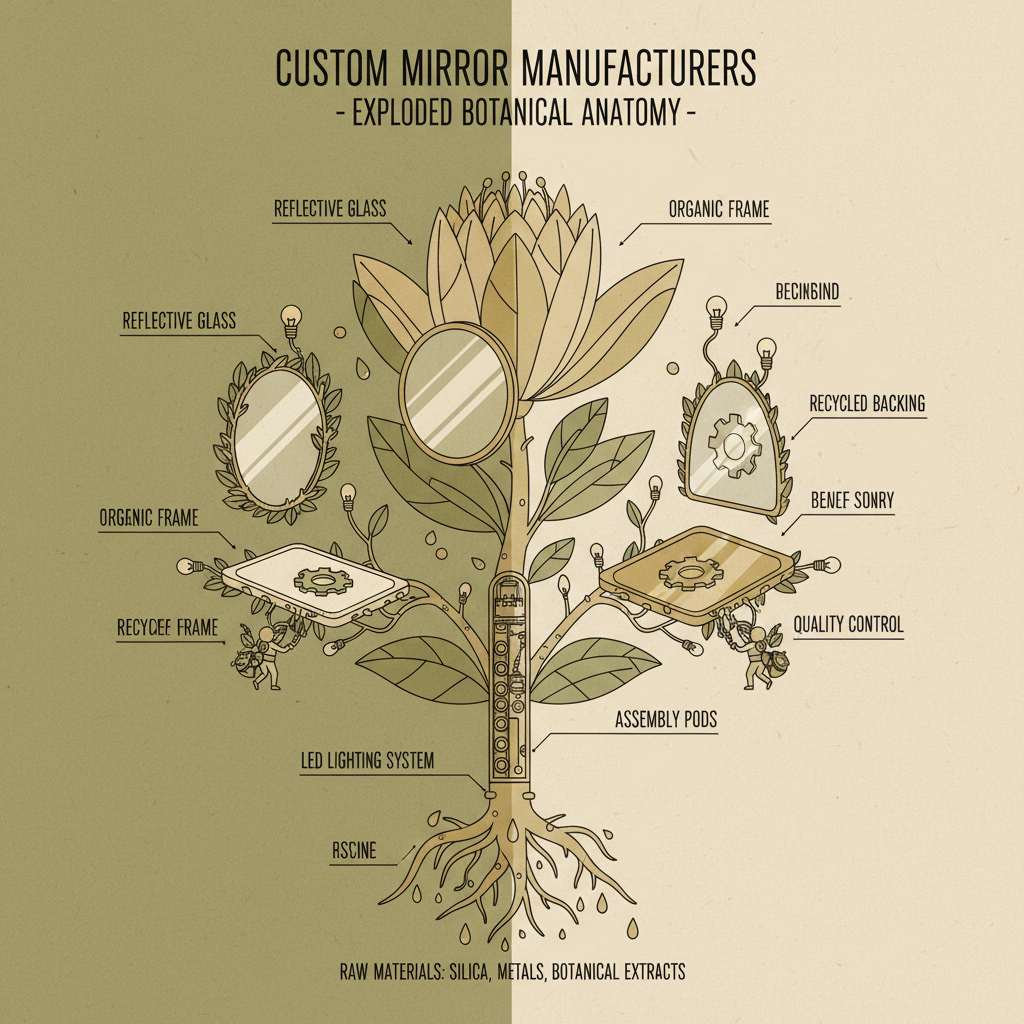
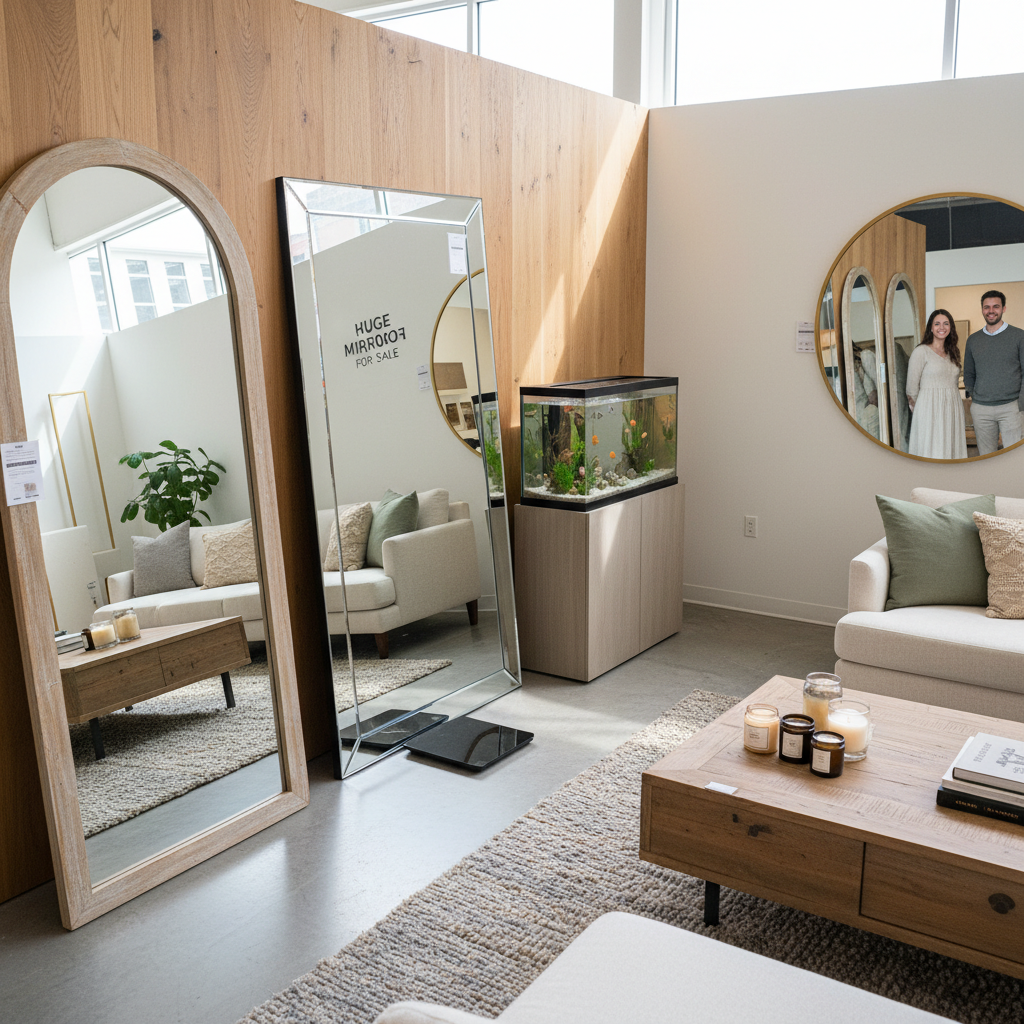
You know, I've been running around construction sites all year, dealing with dust, sweat, and a whole lot of engineers. And lately? Everyone's talking about customization. Not just a little tweak here and there, but really tailoring things to fit. It’s the name of the game now, especially with these custom mirror manufacturers. To be honest, it's a bit of a headache sometimes, but it's what people want. It's all about finding that sweet spot between mass production and that one-off request.
Have you noticed how everything’s getting smaller, lighter, and more efficient? It's not just about the tech inside, it's how it’s made. The demand for precision in custom mirror manufacturers is insane. People aren't satisfied with "close enough" anymore. They want it exact. Which, honestly, drives up the cost, but what can you do?
And it's not just the end product, it's the whole process. People are asking for faster turnaround times, better communication, and more transparency. They want to know where their materials are coming from, how they're being made, and who's making them. It’s a whole new level of accountability. Anyway, I think the biggest shift is that customers are becoming more involved in the design process. They're not just telling us what they want, they're actively collaborating with us to create it.
The Rise of Customization in Mirror Manufacturing
I encountered this at a factory in Foshan last time. They were turning down orders because they couldn't handle the complexity of the customizations. It’s a sign of the times, really. People want things tailored to their exact specifications. It's not just about size and shape anymore; it's about coatings, edge work, even the type of backing they use.
Strangely, a lot of folks don't realize how much design work goes into a seemingly simple custom mirror. There's a lot of back and forth, a lot of prototyping, and a lot of potential for mistakes. But, you know, that's where experienced custom mirror manufacturers come in. We're the ones who can navigate those challenges and deliver a product that meets the customer's needs.
Common Pitfalls in Custom Mirror Design
Oh, there are plenty of traps to fall into. One of the biggest? Overly ambitious designs. People see something online and think, "Yeah, I want that!" without considering the limitations of the material or the manufacturing process. Another common mistake is ignoring the structural integrity. You can make a mirror any shape you want, but if it's not properly supported, it's going to crack or break.
And don't even get me started on edge work. A poorly finished edge can ruin an otherwise beautiful mirror. It's a detail a lot of people overlook, but it's crucial for both aesthetics and safety. I've seen mirrors with edges so sharp they could cut you. It's not worth the risk.
There's also the issue of tolerances. Custom mirror manufacturers can get close, but they can't always hit a perfect number. Customers need to be realistic about what's achievable. Anything too tight will just drive up the cost and potentially lead to defects.
Material Selection: A Hands-On Perspective
Now, materials. This is where it gets interesting. You've got your standard silvered glass, of course, but there's also bronze glass, tinted glass, and even acrylic. Acrylic feels…plastic-y, you know? It doesn't have the weight or the clarity of glass. But it’s shatterproof, which is a big plus for certain applications.
We also use a lot of different backings. The smell of the adhesive is something you never forget after a few years on the job. Some backings are more moisture-resistant than others, which is important for bathrooms and other damp environments. And then there are the different types of paint used for the backings – some are more durable, some are more scratch-resistant. The little details matter.
I tell everyone, good glass feels…solid. It’s heavy, it's cold, and it has a certain clarity you just don’t get with cheaper stuff. You learn to recognize quality by feel. You really do.
Real-World Testing and Quality Control
Forget the lab tests. They're fine for basic stuff, but the real test is how the mirror holds up on a job site. We drop them (carefully, of course), we scratch them, we expose them to different temperatures and humidity levels. We even simulate transportation vibrations.
I once saw a mirror shatter because the truck driver slammed on the brakes too hard. That's why we have stringent packaging requirements. It's not just about protecting the mirror from damage, it's about protecting the customer from hassle.
Custom Mirror Manufacturers Quality Control Metrics
Unexpected User Applications
You wouldn’t believe some of the things people use these mirrors for. It's not always what you expect. We had a customer who wanted a custom mirror for their hamster cage. A hamster! I thought it was a joke at first, but they were serious. Apparently, they wanted the hamster to be able to see itself.
Then there was the artist who used our mirrors to create a mosaic. He needed perfectly sized pieces, and he wanted a specific type of reflective surface. It was a challenging project, but it turned out amazing. It just shows you, the possibilities are endless.
Advantages and Disadvantages: A Balanced View
Look, custom mirror manufacturers aren't perfect. They're more expensive than standard mirrors, and they take longer to produce. But the benefits outweigh the drawbacks, at least in my opinion. You get exactly what you want, you can create unique designs, and you can ensure a perfect fit.
The downside? The cost. And the lead time. And the potential for errors. It's a trade-off. But for projects where precision and aesthetics are paramount, it's worth it.
Later… Forget it, I won't mention it.
Customization Capabilities and a Case Study
We can do pretty much anything with these mirrors. Different shapes, sizes, coatings, edge work, backings… you name it. We even do custom etching and painting. One customer, a small boss in Shenzhen who makes smart home devices, insisted on changing the interface to last month. He was convinced it would make his product more appealing to younger customers. The result? It added two weeks to the production time and increased the cost by 15%. He wasn't happy, but he learned a valuable lesson about the limitations of customization.
The trick is knowing what can be customized and how to do it efficiently. We've invested heavily in tooling and training to make the process as smooth as possible.
We also offer design assistance. We can help customers optimize their designs for manufacturability and cost-effectiveness. It's not just about building what they want, it's about helping them build it the right way.
Custom Mirror Manufacturer Capability Analysis
| Shape Complexity |
Coating Options |
Lead Time (Days) |
Cost Impact (vs. Standard) |
| Simple Rectangles |
Standard Silvering |
5-7 |
1.1x |
| Curved Shapes |
Bronze Tint |
8-12 |
1.3x |
| Complex Cutouts |
Anti-Reflective |
12-15 |
1.5x |
| Irregular Polygons |
Custom Color Tint |
15-20 |
1.7x |
| Etched Designs |
Protective Film |
10-14 |
1.4x |
| Multiple Layers |
UV Protection |
20+ |
2.0x |
FAQS
Honestly, it depends. We try to be flexible, but realistically, we need a certain volume to make it worthwhile. For really complex designs, the minimum might be 5-10 units. For simpler customizations, we can often handle smaller runs. It's always best to reach out and discuss your specific needs.
We prefer vector files like AI, EPS, or SVG. These allow us to scale the design without losing quality. We can also work with high-resolution raster images, but they may need to be converted to vector format, which can add to the cost and lead time. Make sure your files are properly layered and labeled. It saves everyone a headache.
Absolutely. We highly recommend it. Samples allow you to verify the design, materials, and quality before committing to a full production run. There's usually a charge for samples, but it's a small price to pay for peace of mind. We’ll also tell you up front what the sample lead time will be, usually around 7-10 business days.
Lead times vary depending on the complexity of the design, the quantity ordered, and our current production schedule. Simple customizations might take 2-3 weeks, while more complex projects can take 4-6 weeks or even longer. We’ll give you a realistic estimate upfront, and we’ll keep you updated throughout the process. Communication is key, right?
We stand behind our work. We offer a warranty against defects in materials and workmanship. The warranty period varies depending on the application, but it’s typically one year. We’ll replace any defective mirrors at our expense. We just ask that you handle them with care, you know? A mirror isn't invincible.
Shipping costs depend on the size, weight, and destination of the shipment. Mirrors are fragile, so we use specialized packaging and shipping services to ensure they arrive safely. We can provide you with a shipping quote once we have the details of your order. Just be aware that shipping costs can be significant, especially for large or heavy mirrors.
Conclusion
Ultimately, custom mirror manufacturers are all about finding that balance between creativity, precision, and cost-effectiveness. It’s not just about making a pretty mirror; it’s about solving a problem, fulfilling a vision, and delivering a product that meets the customer’s specific needs. The industry is demanding more flexibility and more customization, and those who can adapt will thrive.
But, let's be real. All the design work, all the material selection, all the quality control… it all comes down to one thing: the worker tightening the screw. They’ll know whether it's a good mirror or not. And that's the truth. Visit our website at www.chnmst.com to explore how we can bring your vision to life.