The global demand for high-quality makeup mirrors is steadily increasing, driven by the burgeoning beauty and personal care industry. Makeup mirror suppliers play a crucial role in this ecosystem, providing a diverse range of products from simple handheld mirrors to sophisticated vanity setups with integrated lighting and magnification. Understanding the intricacies of this supply chain – from manufacturing and distribution to quality control and innovation – is paramount for businesses and consumers alike. These suppliers aren’t just vendors; they are enablers of self-expression and confidence.
The rise of social media and the growing emphasis on self-care have further fueled the demand for makeup mirrors. Consumers are increasingly seeking tools that allow them to achieve professional-looking results at home, leading to a preference for mirrors with advanced features. This trend necessitates reliable makeup mirror suppliers who can consistently deliver products that meet evolving consumer needs and quality standards. The efficient operation of these suppliers impacts everything from retail availability to the affordability of beauty routines.
Moreover, the makeup mirror industry is undergoing a period of technological advancement, with smart mirrors incorporating features like Bluetooth connectivity, adjustable color temperature, and even augmented reality capabilities emerging as the new frontier. Makeup mirror suppliers who can adapt to these changes and offer cutting-edge solutions are poised to gain a significant competitive advantage in the market. Staying ahead in this landscape demands a commitment to research, development, and collaboration.
The Importance of Makeup Mirror Suppliers
Makeup mirror suppliers form the backbone of the beauty and personal care industry, providing essential components for retailers, brands, and individual consumers. Their expertise extends beyond simply providing a reflective surface; it encompasses design, manufacturing, quality control, and logistical expertise. Sourcing from reliable suppliers ensures consistent product quality and timely delivery, which are vital for maintaining brand reputation and customer satisfaction.
The success of a makeup brand is often intrinsically linked to the quality of the mirrors used to showcase and apply their products. Excellent makeup mirror suppliers understand the nuances of light, magnification, and design, contributing to the overall user experience. A poorly manufactured mirror can distort images, making application difficult and frustrating, leading to negative perceptions of the associated makeup products.
Defining Makeup Mirror Suppliers
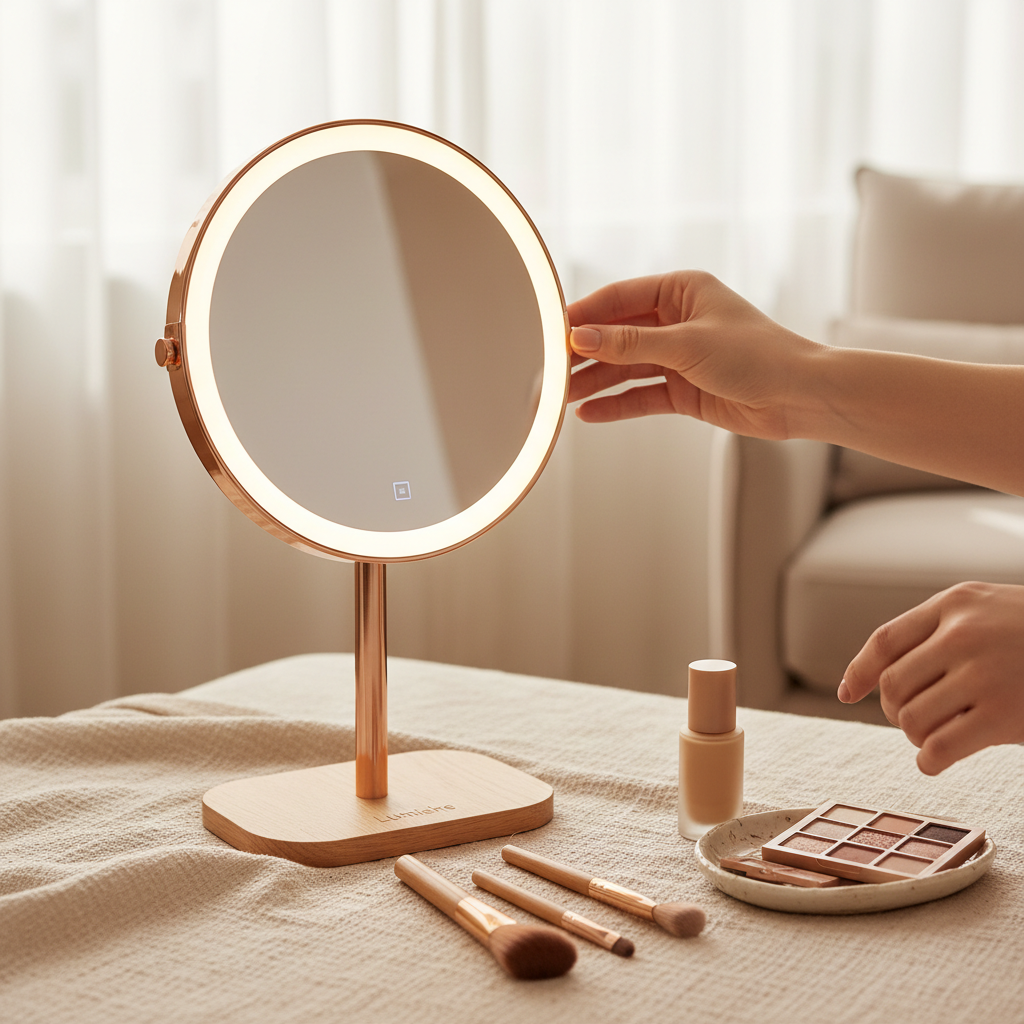
Makeup mirror suppliers are businesses that specialize in the manufacture, wholesale, and distribution of various types of makeup mirrors. These can range from basic handheld mirrors to complex vanity mirrors with adjustable lighting, magnification, and smart features. They cater to a wide clientele, including cosmetic brands, retailers, beauty salons, and even individual consumers through online platforms.
The scope of a makeup mirror supplier’s operations often includes product development, sourcing raw materials (such as glass, plastics, and LED lights), manufacturing processes (including molding, assembly, and finishing), quality control procedures, and efficient logistics for shipping and delivery. Some suppliers may also offer customization services, allowing brands to create mirrors with unique designs and branding.
Increasingly, successful makeup mirror suppliers are embracing sustainable practices, using eco-friendly materials and minimizing waste throughout the production process. They are also investing in innovative technologies to improve product functionality and aesthetics, responding to the dynamic needs of the beauty market.
Key Factors Influencing Supplier Selection
When selecting makeup mirror suppliers, several key factors come into play. Product Quality is paramount, ensuring the mirrors offer clear reflections, accurate magnification, and durable construction. Suppliers should have robust quality control systems in place to minimize defects and ensure consistent performance. Pricing and Cost-Effectiveness are also crucial, balancing quality with affordability to maximize profit margins.
Lead Times and Reliability are essential for meeting customer demand and avoiding supply chain disruptions. Suppliers should be able to deliver products on time and in the quantities required. Customization Capabilities are also valuable, allowing brands to create unique mirrors that align with their branding and aesthetic. Finally, Communication and Customer Service are critical for building a strong and collaborative relationship with the supplier.
Beyond these core elements, factors like ethical sourcing practices, environmental responsibility, and the supplier’s capacity for innovation are gaining increasing importance. Brands are actively seeking partners who share their values and can contribute to a more sustainable and responsible beauty industry.
Global Applications and Market Reach
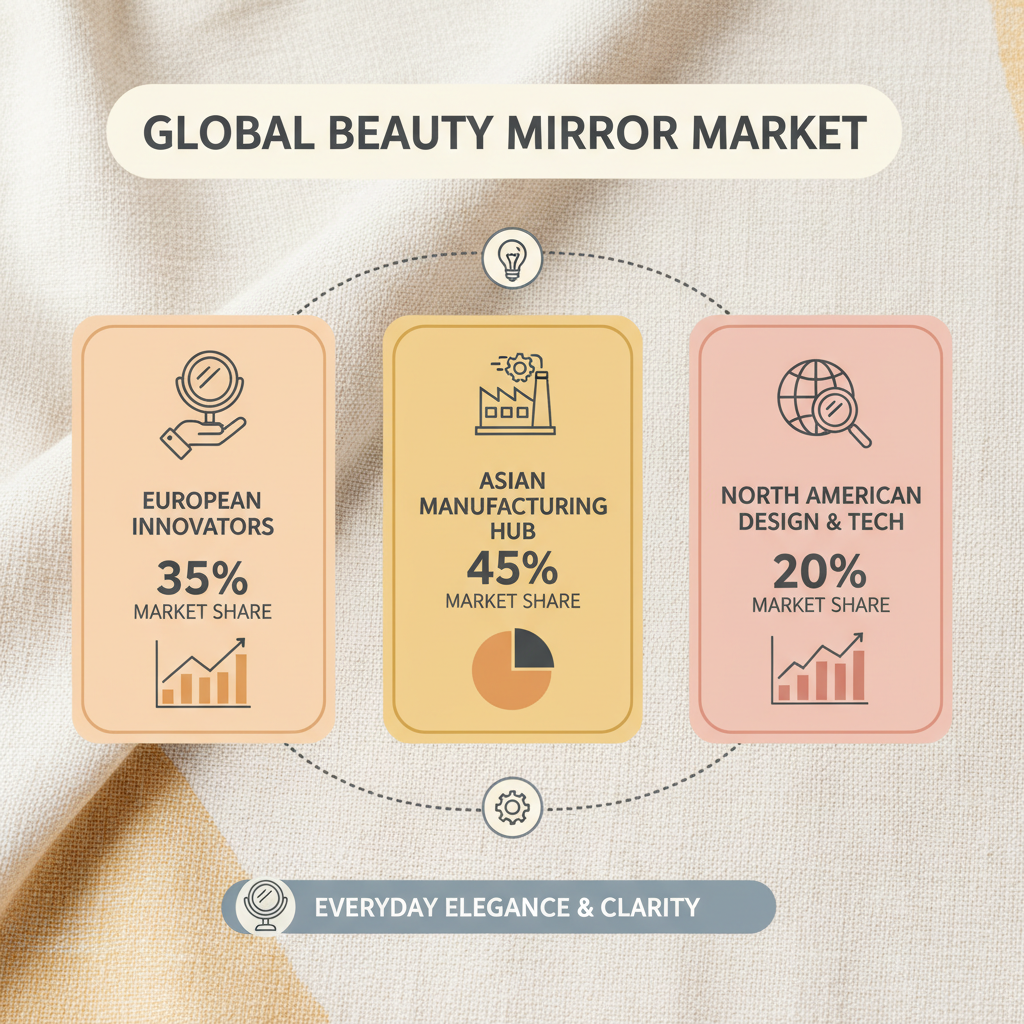
Makeup mirror suppliers serve a diverse global market, reaching consumers across continents. North America and Europe represent significant markets due to their mature beauty industries and high disposable incomes. However, rapidly growing markets in Asia-Pacific (particularly China, India, and Southeast Asia) are increasingly driving demand, fueled by rising beauty awareness and changing consumer lifestyles.
Applications extend beyond personal use, encompassing professional settings like makeup counters in department stores, beauty salons, film and television production, and even medical facilities (for dermatological examinations). Makeup mirror suppliers cater to these varied needs by offering a range of specialized products, from large illuminated vanity mirrors to portable magnifying mirrors for detailed work.
The e-commerce boom has further expanded the reach of makeup mirror suppliers, allowing them to connect directly with consumers worldwide through online marketplaces and direct-to-consumer channels. This has created opportunities for smaller, niche suppliers to compete with larger established players.
Market Share of Makeup Mirror Suppliers by Region
Advantages of Partnering with Reputable Suppliers
Choosing reputable makeup mirror suppliers offers a multitude of benefits. First, and perhaps most importantly, is the assurance of consistent quality. Reliable suppliers implement stringent quality control measures, reducing the risk of defective products and enhancing customer satisfaction.
Secondly, partnering with established suppliers provides access to innovation. These companies often invest in research and development, offering cutting-edge mirror technologies and designs. Furthermore, a strong supplier relationship ensures supply chain stability and mitigates the risk of disruptions, enabling businesses to meet customer demand reliably.
Future Trends in the Makeup Mirror Industry
The makeup mirror industry is poised for significant transformation driven by technological advancements and evolving consumer preferences. Smart Mirror Technology is expected to become increasingly prevalent, integrating features like facial recognition, personalized lighting recommendations, and augmented reality makeup trials.
Sustainable Materials and Manufacturing will also gain prominence, with consumers demanding eco-friendly products. Suppliers who prioritize ethical sourcing and reduce their environmental footprint will gain a competitive advantage. The increasing demand for personalized beauty solutions will drive the development of customizable mirrors with adjustable settings and tailored features.
Challenges and Mitigation Strategies for Makeup Mirror Suppliers
Makeup mirror suppliers face several challenges, including intense competition from both established players and emerging brands. Maintaining profitability in a price-sensitive market requires efficient operations and a focus on value-added services. Supply chain disruptions caused by geopolitical events or natural disasters can also pose a significant threat, necessitating robust risk management strategies.
Another key challenge is keeping pace with rapidly evolving technology. Suppliers must continually invest in research and development to stay ahead of the curve and offer innovative products. To mitigate these challenges, suppliers should focus on building strong relationships with their customers, diversifying their sourcing options, and embracing lean manufacturing principles to improve efficiency.
Furthermore, investing in digital transformation and adopting data analytics can help suppliers optimize their operations, predict demand, and personalize their offerings.
Summary of Key Challenges and Mitigation Strategies for Makeup Mirror Suppliers
| Challenge |
Impact on Suppliers |
Mitigation Strategy |
Implementation Difficulty (1-10) |
| Intense Competition |
Reduced Profit Margins, Loss of Market Share |
Focus on Differentiation, Value-Added Services |
6 |
| Supply Chain Disruptions |
Production Delays, Increased Costs |
Diversify Sourcing, Build Inventory |
7 |
| Technological Advancements |
Product Obsolescence, Loss of Competitive Edge |
Invest in R&D, Embrace Innovation |
8 |
| Rising Material Costs |
Decreased Profitability, Increased Product Prices |
Negotiate with Suppliers, Seek Alternative Materials |
5 |
| Sustainability Concerns |
Negative Brand Perception, Loss of Eco-Conscious Customers |
Adopt Sustainable Practices, Use Eco-Friendly Materials |
7 |
| Changing Consumer Preferences |
Declining Sales, Reduced Market Share |
Market Research, Product Customization |
6 |
FAQS
When choosing a makeup mirror supplier, prioritize product quality, pricing, lead times, customization options, and communication. Look for suppliers with robust quality control processes, competitive pricing structures, and a proven track record of on-time delivery. Consider their ability to customize mirrors to your specific requirements and their responsiveness to your inquiries. Furthermore, investigate their ethical sourcing practices and commitment to sustainability. A thorough assessment across these criteria will ensure you find a reliable and valuable partner.
To ensure quality, request samples for testing before placing a large order. Inspect samples thoroughly for clarity, magnification accuracy, and structural integrity. Ask about the supplier’s quality control procedures and certifications. Consider conducting a factory audit to verify their production processes and quality standards. Establishing clear quality specifications and acceptance criteria upfront will also minimize the risk of receiving substandard products.
Typical lead times vary depending on the supplier’s production capacity, order volume, and complexity of customization. Generally, standard orders may have a lead time of 4-8 weeks. However, larger or customized orders can require 8-12 weeks or longer. It’s crucial to discuss lead times upfront and confirm delivery schedules to ensure timely fulfillment of your needs. Suppliers may also offer expedited options for urgent orders.
Current trends in customization include personalized lighting options (adjustable color temperature and brightness), integrated smart features (Bluetooth connectivity, touchscreen controls), unique frame designs, and custom branding (logo engraving, packaging). Consumers are increasingly seeking mirrors that cater to their individual preferences and aesthetics. Suppliers who offer flexible customization options can cater to these demands and differentiate themselves in the market.
Sustainability is becoming increasingly important to consumers and businesses alike. Choosing a supplier who prioritizes sustainable practices – such as using eco-friendly materials, minimizing waste, and reducing carbon emissions – can enhance your brand’s reputation and appeal to environmentally conscious customers. Look for suppliers with relevant certifications and a demonstrable commitment to responsible manufacturing.
To mitigate supply chain risks, diversify your sourcing options, maintain safety stock levels, and build strong relationships with multiple suppliers. Monitor global events that could potentially disrupt the supply chain, and have contingency plans in place. Conducting regular risk assessments and implementing proactive mitigation strategies will help ensure continuity of supply.
Conclusion
In conclusion, the selection of reliable makeup mirror suppliers is a critical component of success in the beauty and personal care industries. From ensuring product quality and timely delivery to embracing innovation and sustainability, these suppliers play a vital role in meeting evolving consumer demands and maintaining a competitive edge. Investing in strong supplier relationships, prioritizing ethical sourcing, and staying abreast of industry trends are all essential for long-term success.
Looking ahead, the makeup mirror industry will continue to evolve, driven by technological advancements and shifting consumer preferences. Suppliers who are adaptable, innovative, and committed to sustainability will be best positioned to thrive in this dynamic landscape. We encourage businesses to carefully evaluate their supplier options and prioritize partnerships that align with their values and long-term goals. Visit our website at chnmst.com for more information.