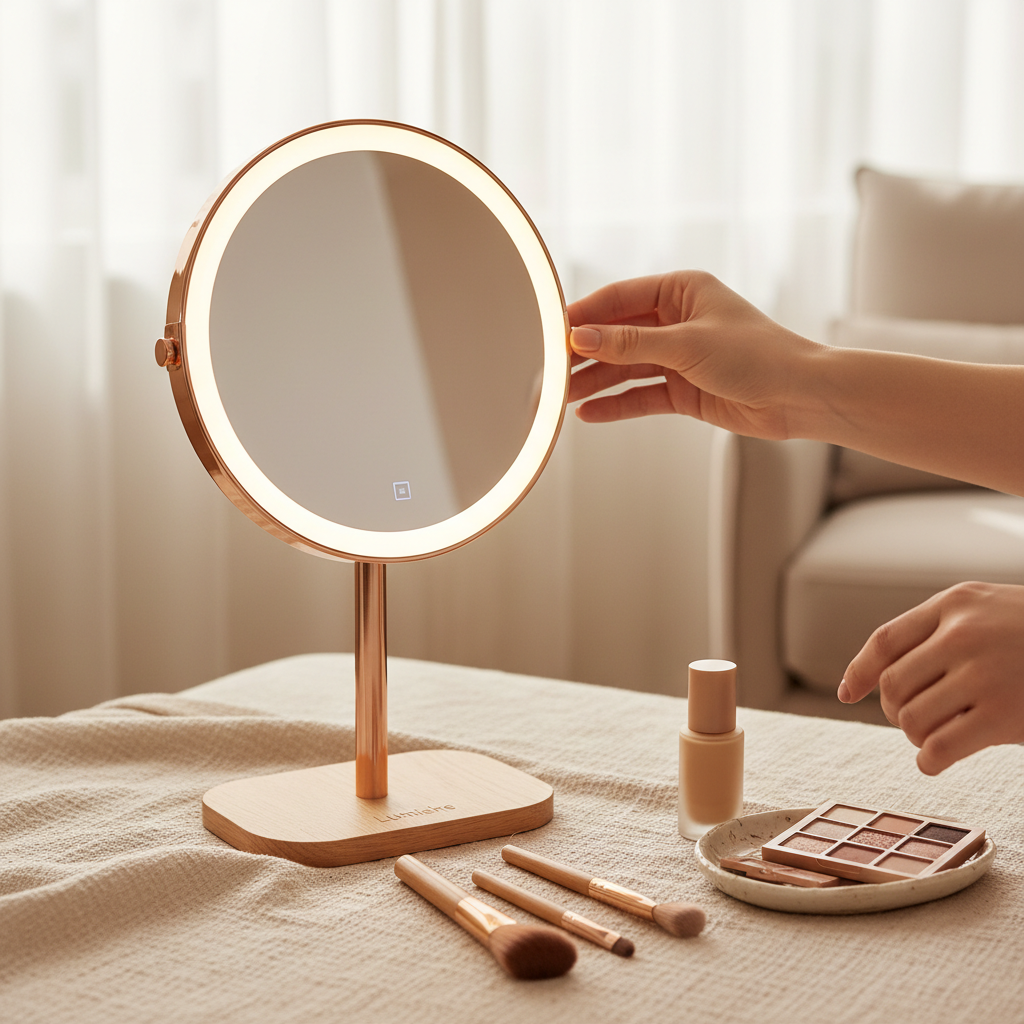
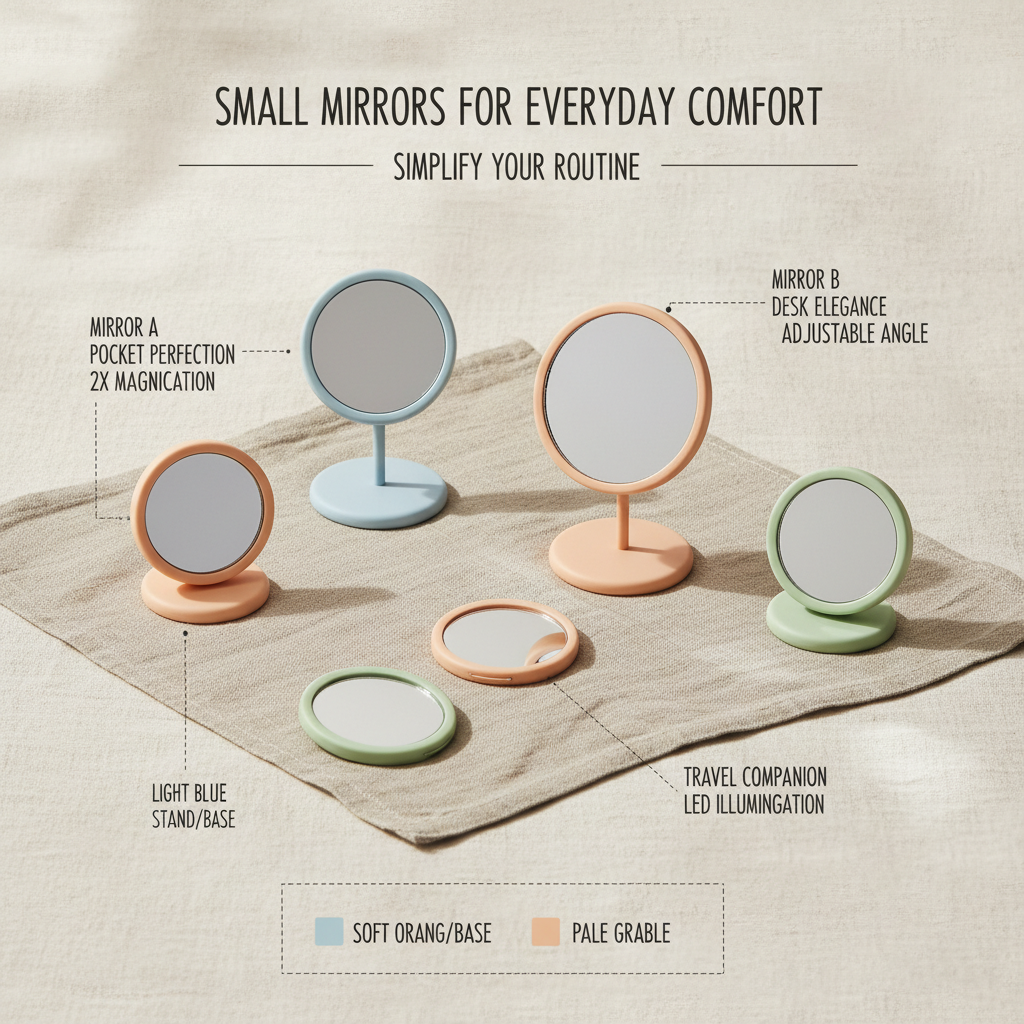
The global demand for high-quality makeup mirrors is consistently increasing, driven by the expanding beauty industry and the growing emphasis on personal grooming. As a pivotal component of this market, the role of a reliable makeup mirror supplier is paramount. These suppliers are responsible for providing a diverse range of mirrors to meet evolving consumer preferences, encompassing various functionalities like magnification, lighting options, and smart features. Understanding the complexities of this supply chain, from manufacturing processes to quality control, is crucial for businesses looking to thrive in this competitive landscape.
The importance of choosing the right makeup mirror supplier extends beyond simply acquiring a product. It impacts brand reputation, customer satisfaction, and overall profitability. Suppliers who prioritize innovation, sustainable practices, and consistent quality are better positioned to meet the demands of a discerning market. Furthermore, navigating international trade regulations and ensuring efficient logistics are key challenges that a proficient supplier can effectively address.
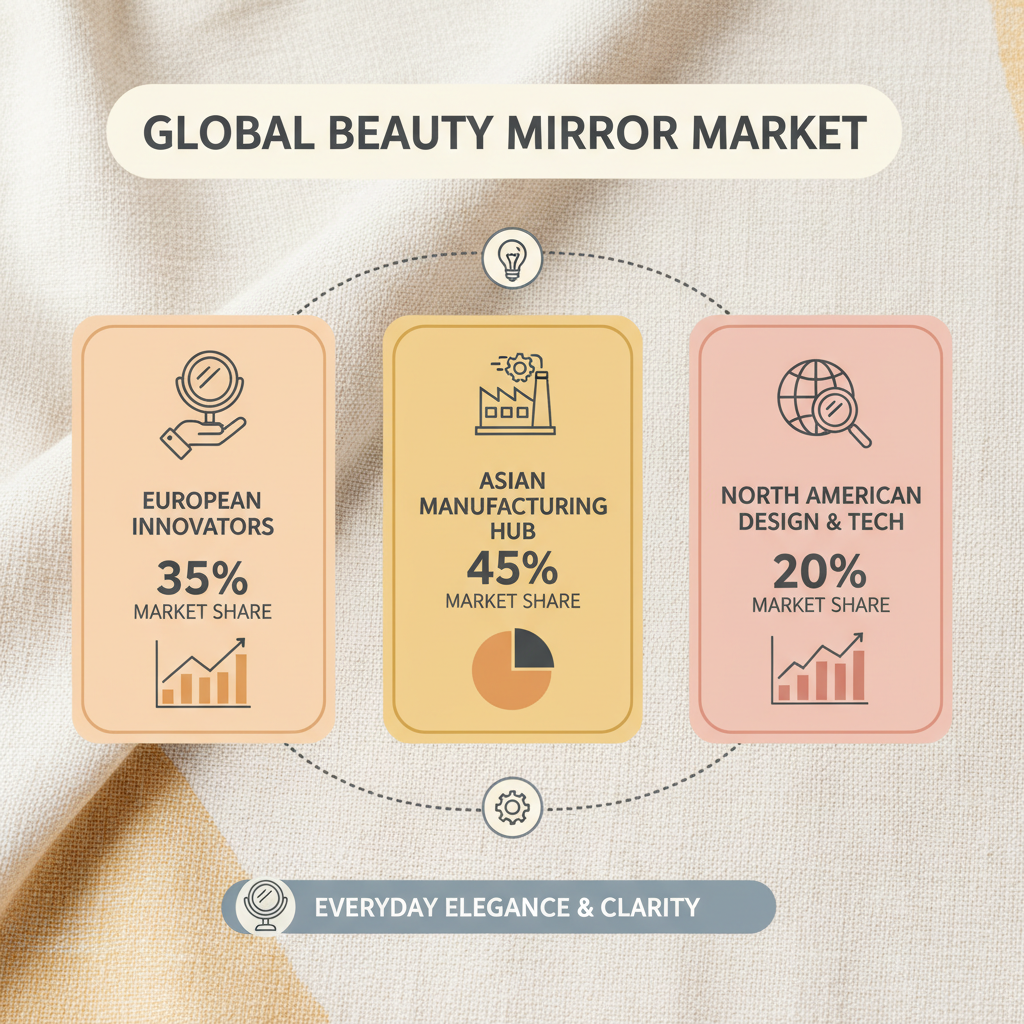
The global makeup mirror market is expected to continue its upward trajectory, fueled by trends like personalized beauty routines and the rise of social media influencers. This presents both opportunities and challenges for businesses, reinforcing the need for strategic partnerships with capable makeup mirror suppliers who can deliver on quality, cost-effectiveness, and timely delivery.
The Significance of makeup mirror supplier
A proficient makeup mirror supplier isn’t simply a vendor; they are a strategic partner. Their capabilities directly influence a brand’s ability to offer high-quality, innovative products that meet consumer demands. The supplier’s capacity for research and development, coupled with their understanding of material science and manufacturing processes, determines the competitiveness of the final product.
The modern beauty industry is defined by constant evolution. Consumers expect not only functionality but also aesthetic appeal, sustainability, and technological integration. A capable makeup mirror supplier must anticipate these trends and proactively develop solutions that align with the shifting market landscape.
Defining the Role of a makeup mirror supplier
A makeup mirror supplier is a company that manufactures, sources, and distributes makeup mirrors to retailers, wholesalers, and directly to consumers. They handle the entire lifecycle of the product, from initial design and material sourcing to production, quality control, packaging, and delivery. Effective suppliers maintain strong relationships with raw material providers, ensuring a consistent supply of high-grade glass, lighting components, and other essential materials.
The role extends beyond just providing the physical product. A good makeup mirror supplier offers value-added services such as customization options, product testing, regulatory compliance assistance, and logistical support. They also stay abreast of industry trends, offering insights and guidance to their clients on emerging technologies and consumer preferences.
In today’s globalized market, a successful supplier often operates internationally, navigating complex import/export regulations and managing a diverse network of partners. This requires expertise in international trade, logistics, and cultural sensitivity.
Core Components of Effective makeup mirror supplier
Durability is paramount. Makeup mirrors are frequently used and need to withstand daily wear and tear. A good makeup mirror supplier utilizes high-quality materials and robust construction techniques to ensure product longevity.
Scalability is critical for meeting fluctuating demand. A reliable supplier must have the capacity to quickly ramp up production to accommodate surges in orders, particularly during peak seasons or promotional periods. This requires a flexible manufacturing infrastructure and efficient supply chain management.
Cost efficiency is a key consideration. Suppliers who can offer competitive pricing without compromising on quality are highly sought after. This involves optimizing production processes, negotiating favorable rates with material suppliers, and minimizing waste.
Global Applications of makeup mirror supplier
The applications of makeup mirrors, and therefore the demand on makeup mirror suppliers, are incredibly diverse. They are essential components in the cosmetics retail sector, found in department stores, beauty supply stores, and specialty boutiques worldwide.
Beyond retail, makeup mirrors are widely used in professional settings such as makeup studios, salons, and film/television production. These professional applications often require specialized mirrors with features like adjustable lighting and magnification. Suppliers catering to these markets must meet stringent quality standards and offer customized solutions.
Increasingly, makeup mirrors are finding their place in the hospitality industry, featured in hotel rooms and spa facilities, enhancing the guest experience. This expands the geographic reach for makeup mirror suppliers, requiring them to adapt to diverse cultural preferences and logistical challenges.
Makeup Mirror Supplier Performance Metrics
Advantages of Partnering with a Reliable makeup mirror supplier
Cost savings are a significant benefit. A proficient supplier can leverage economies of scale and efficient production processes to offer competitive pricing, reducing overall procurement costs.
Reliability in supply chain is crucial. A trustworthy makeup mirror supplier ensures consistent product availability, minimizing disruptions to your business operations and allowing you to meet customer demand effectively.
Future Trends in the makeup mirror supplier Industry
Smart mirrors, integrated with technology such as virtual try-on features and personalized lighting adjustments, are poised to revolutionize the market. Makeup mirror suppliers who invest in these technologies will gain a competitive edge.
Sustainability is becoming increasingly important. Consumers are demanding eco-friendly products and packaging. Suppliers who adopt sustainable manufacturing practices and utilize recycled materials will appeal to this growing market segment.
Personalization and customization will continue to drive innovation. Suppliers who offer customized mirror designs, sizes, and features will be able to cater to the unique needs of individual clients and brands.
Challenges and Solutions for makeup mirror supplier
Maintaining consistent quality control across large production volumes can be challenging. Implementing rigorous quality assurance protocols, including regular inspections and testing, is essential.
Navigating complex international trade regulations and tariffs can be a logistical hurdle. Suppliers need to stay informed about evolving trade policies and develop robust compliance procedures.
Rising raw material costs can impact profitability. Developing strong relationships with suppliers, negotiating favorable contracts, and exploring alternative materials can help mitigate these risks.
Key Performance Indicators for Effective makeup mirror supplier Management
| Supplier Reliability |
Product Quality |
Cost Competitiveness |
Lead Time Efficiency |
| On-Time Delivery Rate |
Defect Rate (%) |
Price per Unit |
Average Order Fulfillment Time (Days) |
| Order Accuracy Rate |
Customer Satisfaction Score (1-10) |
Total Cost of Ownership |
Responsiveness to Urgent Requests |
| Supplier Communication Effectiveness |
Compliance with Safety Standards |
Payment Terms Flexibility |
Inventory Management Efficiency |
| Risk Management Capabilities |
Material Traceability |
Discount Opportunities |
Capacity for Customization |
| Financial Stability |
Innovation and R&D Investment |
Supply Chain Transparency |
Minimum Order Quantity |
| Adaptability to Changing Requirements |
Ethical Sourcing Practices |
Long-Term Partnership Potential |
Geographical Proximity |
FAQS
When selecting a makeup mirror supplier, prioritize factors like product quality, price competitiveness, reliability, and lead times. Also, assess their capacity for customization, compliance with industry standards, and overall communication effectiveness. A supplier with a proven track record and a commitment to innovation is ideal. Consider their geographic location and potential impact on shipping costs and lead times as well.
Quality assurance begins with due diligence during the supplier selection process. Request samples, conduct thorough inspections, and review their quality control procedures. Look for certifications like ISO 9001. Consider implementing a third-party inspection process for larger orders. Establish clear quality standards and specifications from the outset, and regularly monitor performance against those standards.
Lead times vary depending on the supplier's production capacity, order volume, and complexity of the order. Generally, standard mirror orders may have lead times of 2-4 weeks, while customized orders can take 6-8 weeks or longer. It’s vital to confirm lead times upfront and factor them into your inventory planning. Establish clear communication channels for tracking order progress.
Common payment terms include Letter of Credit (LC), Telegraphic Transfer (TT), and occasionally, open account terms for established clients. Suppliers typically require a deposit (e.g., 30-50%) upfront, with the balance due upon shipment or delivery. Negotiating favorable payment terms can improve cash flow, but be mindful of the supplier’s risk assessment.
Effective shipping and logistics require careful planning and coordination. Consider using a freight forwarder to handle the complexities of international transport. Clarify Incoterms (International Commercial Terms) to define responsibilities for shipping costs, insurance, and customs clearance. Ensure proper packaging to prevent damage during transit.
Sustainability is an increasingly important consideration. Seek suppliers who use eco-friendly materials, minimize waste, and adhere to ethical labor practices. Look for certifications that demonstrate their commitment to sustainability. Consider the environmental impact of packaging and shipping. Prioritizing sustainable sourcing can enhance your brand reputation and appeal to environmentally conscious consumers.
Conclusion
In conclusion, selecting the right makeup mirror supplier is a critical decision that directly impacts your business’s success. A reliable supplier offers not only high-quality products but also consistent delivery, competitive pricing, and excellent customer service. By carefully evaluating potential partners based on the factors outlined above, you can build a strong, mutually beneficial relationship that supports your growth and innovation.
Looking ahead, the makeup mirror industry will continue to evolve, driven by technological advancements and changing consumer preferences. By partnering with a forward-thinking makeup mirror supplier, you can stay ahead of the curve and capitalize on emerging opportunities. Investing in sustainability, customization, and innovation will be key to long-term success in this dynamic market.